


Website Design by Industry
Every kind of business gets found a different way.
A roofer gets found on the map by a homeowner with a leak. A law firm gets chosen by someone facing a legal problem for the first time. A manufacturer gets found by a buyer comparing specifications. Each of those businesses needs a different kind of website. I’ve built websites for more than 50 industries since 2011, and I plan each one around how its customers search, what they need to see, and what they do next.


Why the kind of business changes the website
Customers in each industry search, judge, and reach out in their own way.
Some things belong on every small business website, like clear words, fast pages, search planned in from the start, and an easy way to get in touch. What changes from one industry to the next is everything built on top of those basics. Customers search in different ways, look for different proof, and take a different next step.
- 1
How your customers search
A homeowner with a leaking roof types "roof repair near me" into a phone and calls one of the first few businesses on the map. Someone hurt in an accident searches for the problem, such as "dog bite lawyer," and then reads for a while before calling anyone. A purchasing manager may search the same product term for weeks while comparing suppliers. A parent often searches for a school by name and goes straight to the calendar or the admissions page. Each of those searches starts in a different place, and each one needs the right page waiting at the end of it.
- 2
What they need to see
Before anyone gets in touch, they look for proof that answers their particular worry. A homeowner wants photos of finished work like the job they have in mind. Someone choosing a lawyer wants to know who will handle the case and whether that person has handled cases like it. A buyer wants specifications, documents, and a way to order or request a sample. A family wants to see what an ordinary day at the school looks like. The site puts that proof where each visitor looks for it first.
- 3
What they do next
The next step depends on the business. A contractor's visitor wants to request a quote. A law firm's visitor wants a consultation. Someone shopping for insurance wants a quote on one kind of policy. A nonprofit's visitor may want to donate, volunteer, or sign up for an event. On each page, the right next step sits where people are ready to take it, with a form short enough to fill in on a phone.
Industries I build for
Each page covers what that industry's customers look for.
Each of these industries has its own way of finding and choosing a business.
Don't see your kind of business?
Tell me about itGood ideas travel between industries.
A fix that works in one industry often works in another.
Working across many industries, I see the same problems come up in businesses that look nothing alike. A fix that works in one usually works in the other. A few examples:
- 1
Many audiences, one site
A school's site serves families, students, donors, and staff. A manufacturer's site serves buyers, engineers, and distributors. Both work best when each group can find its own path from the homepage in one click.
- 2
The quote request
An insurance agency needs a few details to write a quote, and so does a remodeler. In both, a short form that asks only what's needed to reply brings in more requests than a long one, and those requests are easier to answer.
- 3
Proof that fits the worry
A homeowner wants to see a finished kitchen. A family wants to see a normal school day. In both cases, real photos do more than any claim on the page, because people trust what they can see for themselves.
- 4
Answers before the call
Someone looking for a lawyer has questions they may not want to ask out loud yet. A buyer has technical questions. A clear FAQ section answers both, and it helps the site show up when people ask Google or an AI tool those same questions.
Variety also keeps your site from looking like everyone else's. Agencies that build for a single industry often start every client from the same design. That saves them time, and it's why so many sites in one field look alike. I bring in what has worked elsewhere, so your site covers what your customers expect and still looks like your own business.
When your industry is new to me, I learn it the way your customers do. I read the sites they compare you to, look up what they search for, and ask you which questions you hear most often. You fill in what only someone inside the business knows, and you approve the site plan before any writing starts.
Industries I've built websites for50+
- Auctions
- Cabinetry
- Churches
- Coaching
- Compounding pharmacy
- Construction
- Consulting
- Countertops
- Dermatology
- Design-build
- Decontamination services
- Electrical utility supplies
- Fashion
- Financial advisors
- Flooring
- Functional medicine
- Grocery stores
- Home care
- Home fixtures
- Inns
- Insurance
- Jewelry
- Law
- Lending
- Lumber
- Magazines
- Marketing agencies
- Med spas
- Medical supplies
- Motorcycle tours
- Music
- Ophthalmology
- Outdoor furniture
- Picture framing
- Publishing
- Radiology
- Recruiting
- Salons
- Spine care
- Telecom and cloud
- TV and home design
- Vending machines
- Veterinary medicine
- Wedding beauty
- Wellness
- Wellness travel
- Youth sports
The highlighted ones have a page of their own.
The work, by kind of business
One project from each kind of business, with the full list in the portfolio.
The portfolio sorts every project by the kind of business, so you can go straight to the ones closest to yours.

Love and Beauty Maui
+51%Inquiries versus the year before launchA wedding hair and makeup studio on Maui. Couples plan from far away, so the site shows real brides, gives each kind of booking its own page, and makes it easy to ask about a date.
Read the case study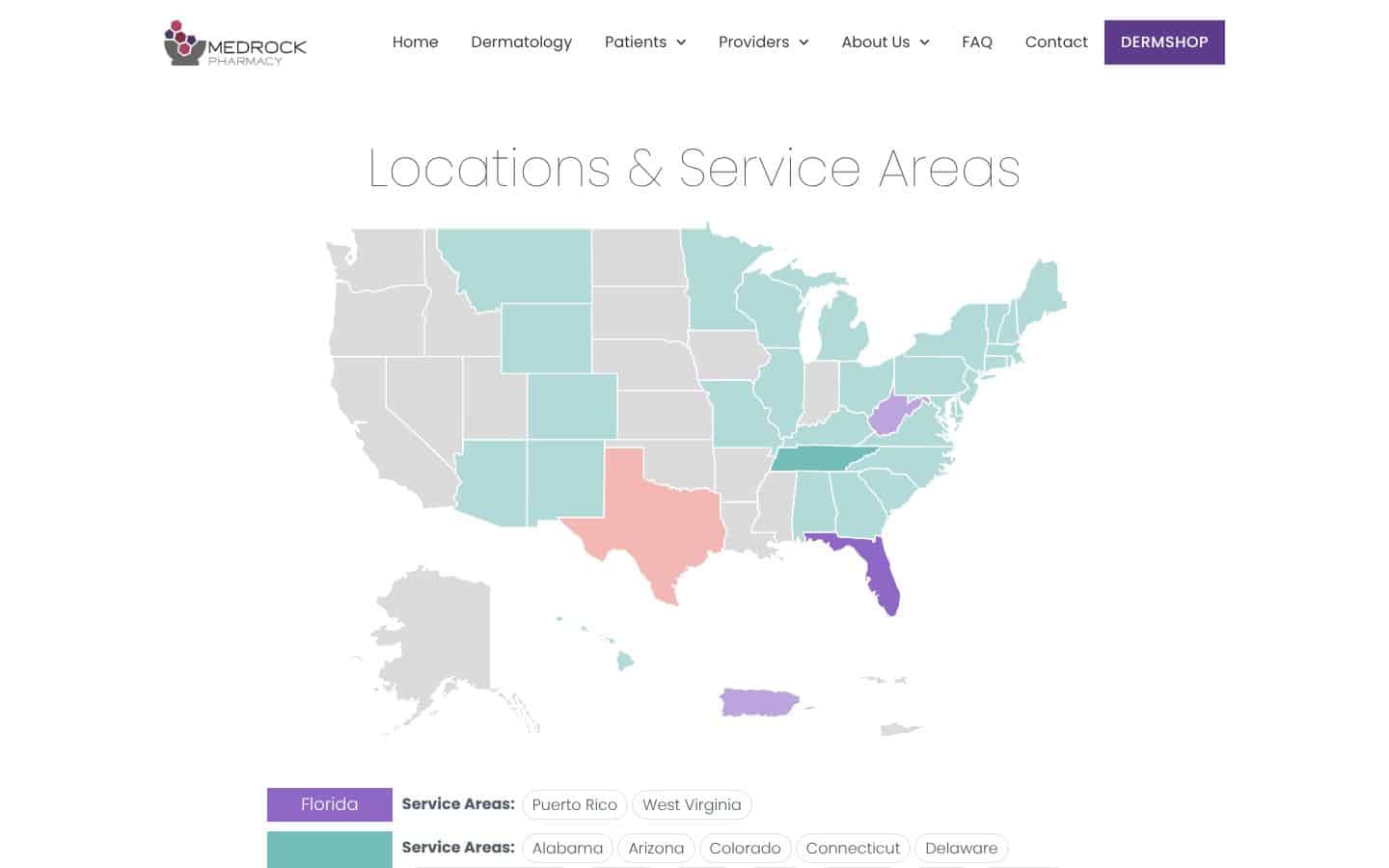
Medrock Pharmacy
40xGoogle traffic to its site in four years, 2020 to 2024Medrock started in 2020 with one pharmacy, and I built its website on a plan with room to grow. As it grew to three pharmacies serving patients in more than 30 states, the site added pages instead of starting over.
Read the case study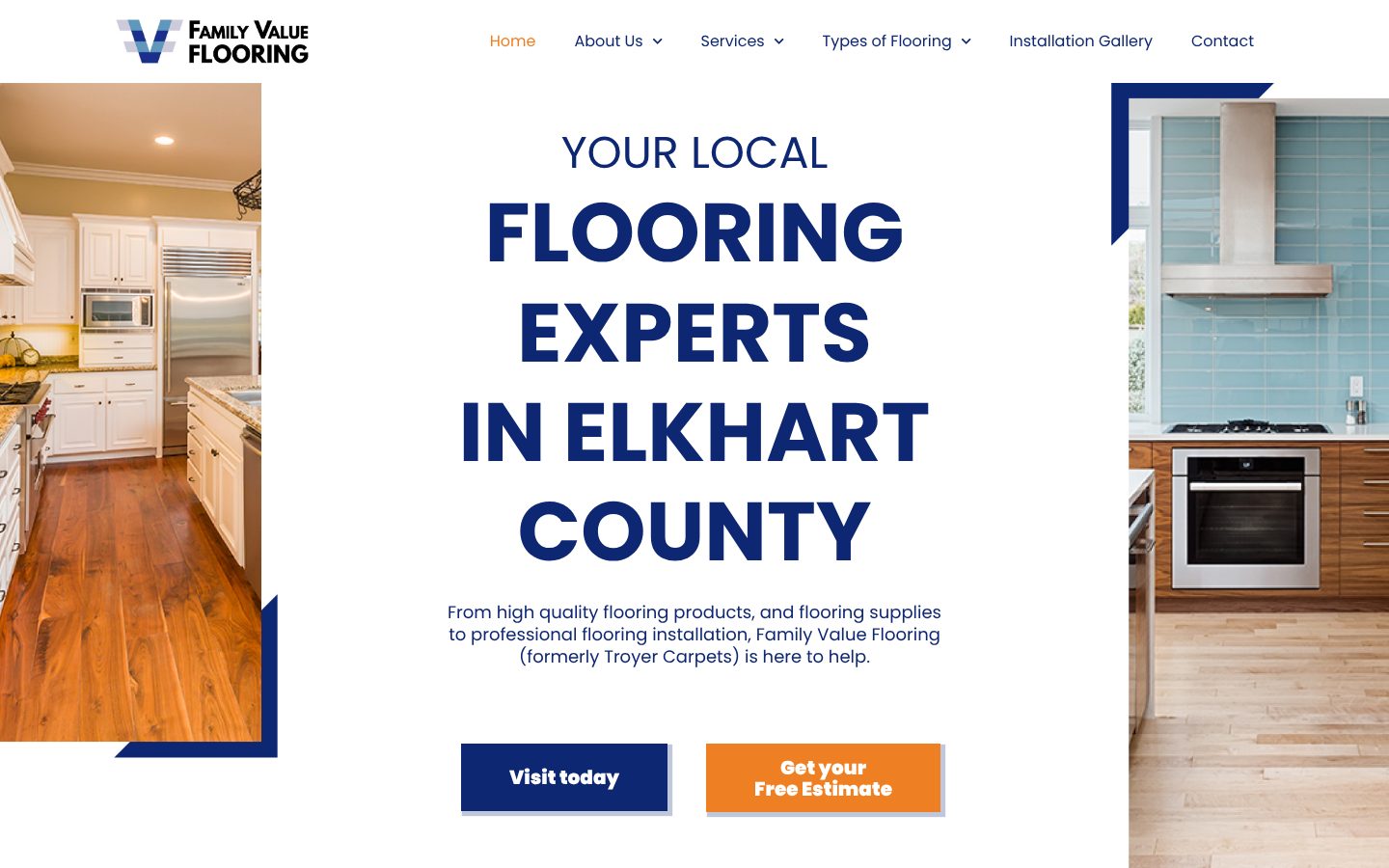
Family Value Flooring
#1On Google for the store's old nameWhen the store took a new name, its new site carried its long reputation over to it. A second store joined later, on the same site, with no rebuild.
Read the case study
Slater & Zurz LLP
A personal injury law firm in Ohio. I rebuilt its practice-area sites and designed a new main site.
See the project
Maconachy Stradley Insurance
An independent agency that insures businesses across the country.
Read the case study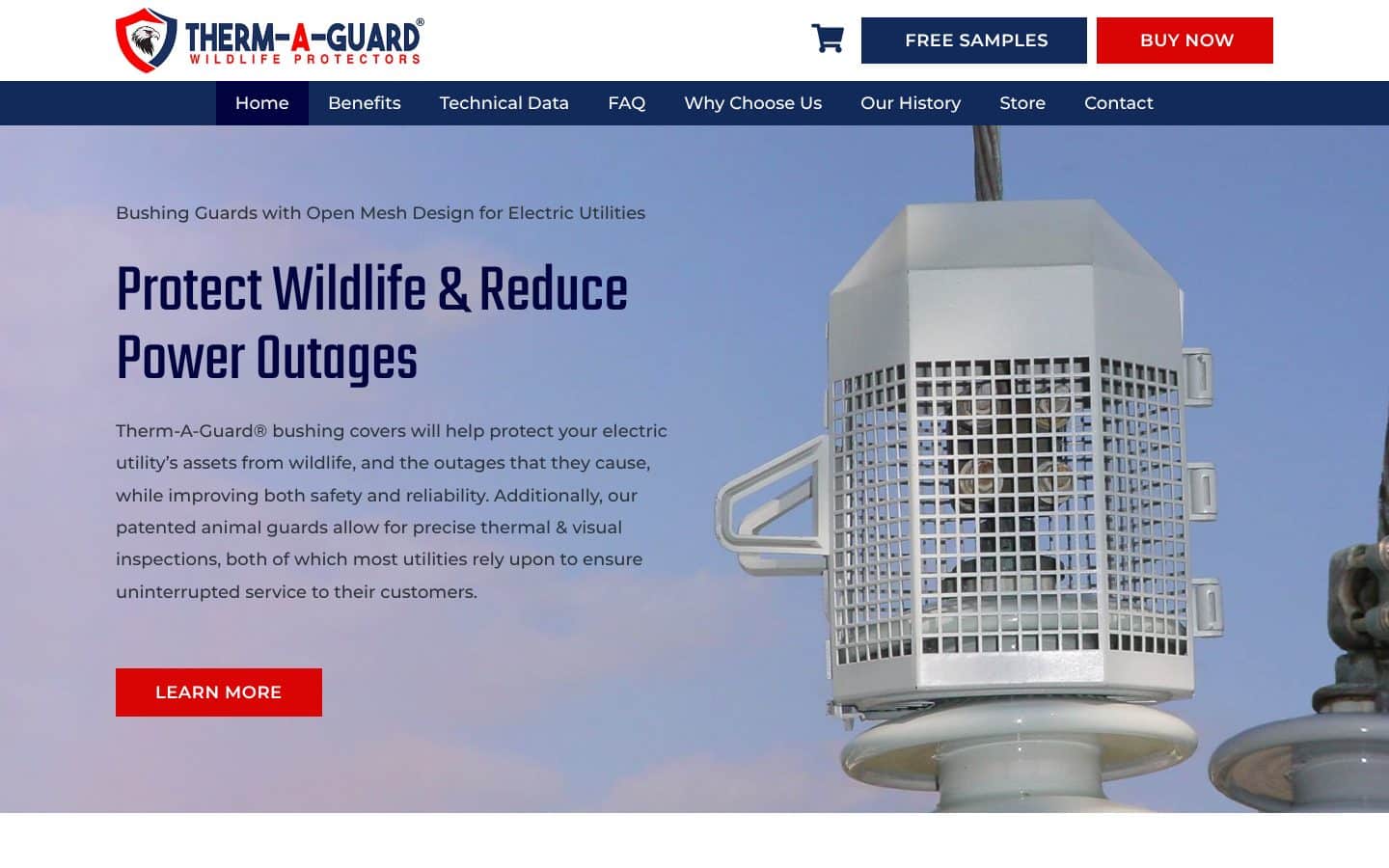
Therm-A-Guard
A product for electric utilities, sold through the online store on its site.
Read the case study
AVSAB
A nonprofit association of veterinarians, with every member and forum post moved over.
Read the case study
Teledata
A technology company: its logo, its website, then a second site for its cloud services.
Read the case study
Relief Rover
The first website for a job board and community for relief vets, built in 2018.
Read the case study"There are a lot of agencies that claim to 'do' web design. In fact, selecting a designer can be a bit overwhelming. It took me weeks to go from looking at online portfolios, to selecting vendors for proposals, to ultimately working with Josh. And I couldn't be more pleased with either the process or the outcome. You'll discover in your first conversation that he not only knows what he's doing, but more importantly he understands the client's many challenges. That combination makes for a successful and rewarding project."
Questions about industries
Still have a question?
Ask me directlyWhy does a small business need a website?
A small business needs a website because customers look a business up online before they call, and your website answers their questions, shows your work, and turns the search into a call. A social media page or a directory listing helps, but you don't own it, and it can't rank for each service you offer the way your own pages can.
What should a small business website include?
A small business website should include a clear homepage, a page for each main service, an about page, real photos, reviews, your service area, and a contact page with a form and a phone number. What goes on top of those basics depends on the industry. A contractor needs photos of finished jobs, a law firm needs answers before the first call, and a manufacturer needs specifications a buyer can check.
What is the best small business website builder?
The best small business website builder for most businesses is a platform that runs on hosting you control, can be edited in a visual editor, and grows from five pages to hundreds without a rebuild. Wix and Squarespace are simpler to start on, and they suit a small site you'll build and edit yourself. They keep much of the site inside their own systems, which limits what can change later.
What are some good small business website examples?
Good small business website examples share a few traits, like real photos, a headline that says what the business does and where, a page for each service, and one obvious way to get in touch. The portfolio sorts my projects by kind of business, so you can go straight to the ones closest to yours, such as a flooring store, a wedding hair and makeup studio, a manufacturer, a pharmacy, and more.
Who makes websites for small businesses?
Websites for small businesses are made by freelance web designers, by web design agencies, or by owners themselves on a do-it-yourself builder. With a freelancer, one person plans, writes, designs, and builds the site, and stays your contact after launch. I'm a freelancer, and I've built websites for more than 50 industries since 2011.
What is industry-specific web design?
Industry-specific web design is planning a website around how customers in one industry search, judge, and contact a business, so the site shows the proof and the next step those customers expect. A roofer's customers want photos and a quote form. A law firm's want to know who will handle their case. A manufacturer's want specifications and documents.
Do you specialize in one industry?
I don't specialize in one industry. I build websites for small businesses of many kinds, including contractors, law firms, insurance agencies, manufacturers, technology companies, and travel and hospitality businesses, among others. Each industry teaches me something I can use in the next one.
My industry isn't listed. Can you build my site?
Yes, I can build your site if your industry isn't listed. The same planning goes into every site. I look at how your customers search, what they need to see, and what you want them to do next. Tell me about your business in the form, and on a short call I'll walk you through how I'd approach it.
Do I need to explain my whole industry to you?
No, you don't need to explain your whole industry to me. You explain your business, and I do the research. That happens in discovery. You answer my questions in writing, at your own pace. The questions cover what your customers ask you, who you compete with, and what sets you apart. While you answer, I study how people search for what you sell and what your competitors' sites cover. Your part is the knowledge only an insider has.
Will my site look like my competitors' sites?
No, your site won't look like your competitors' sites. I look at the sites your customers compare you to, so yours covers what they expect to find. The design and the words come from your business, drawing on your photos, your services, and the way you talk to your customers.
Can you work within my industry's rules?
Yes, I can work within your industry's rules. Some industries have rules about what a website can say. Law firms, for example, work under their state's rules for lawyer advertising. You know the rules you work under, I build the site around them, and you approve every word before it goes live.
Do you build websites for medical practices?
Yes, I build websites for medical practices at Joshua Paul Design, my sister brand. It's built just for independent practices, with its own portfolio. Same person, same process. Start there, and you'll be working with me either way. Both sites get the same planning, writing, and search work.
Run a medical practice?
I have a whole site for that. Joshua Paul Design builds websites for independent medical practices, with its own portfolio. Same person, same process.

Tell me what kind of business you run.
Say what you do, who your customers are, and how they find you today. I answer each request myself and set up a short call. If we’re a good fit, I’ll walk you through how we get started. From there, I learn your industry and build the site around how your customers buy. Every project I take on begins with the form.